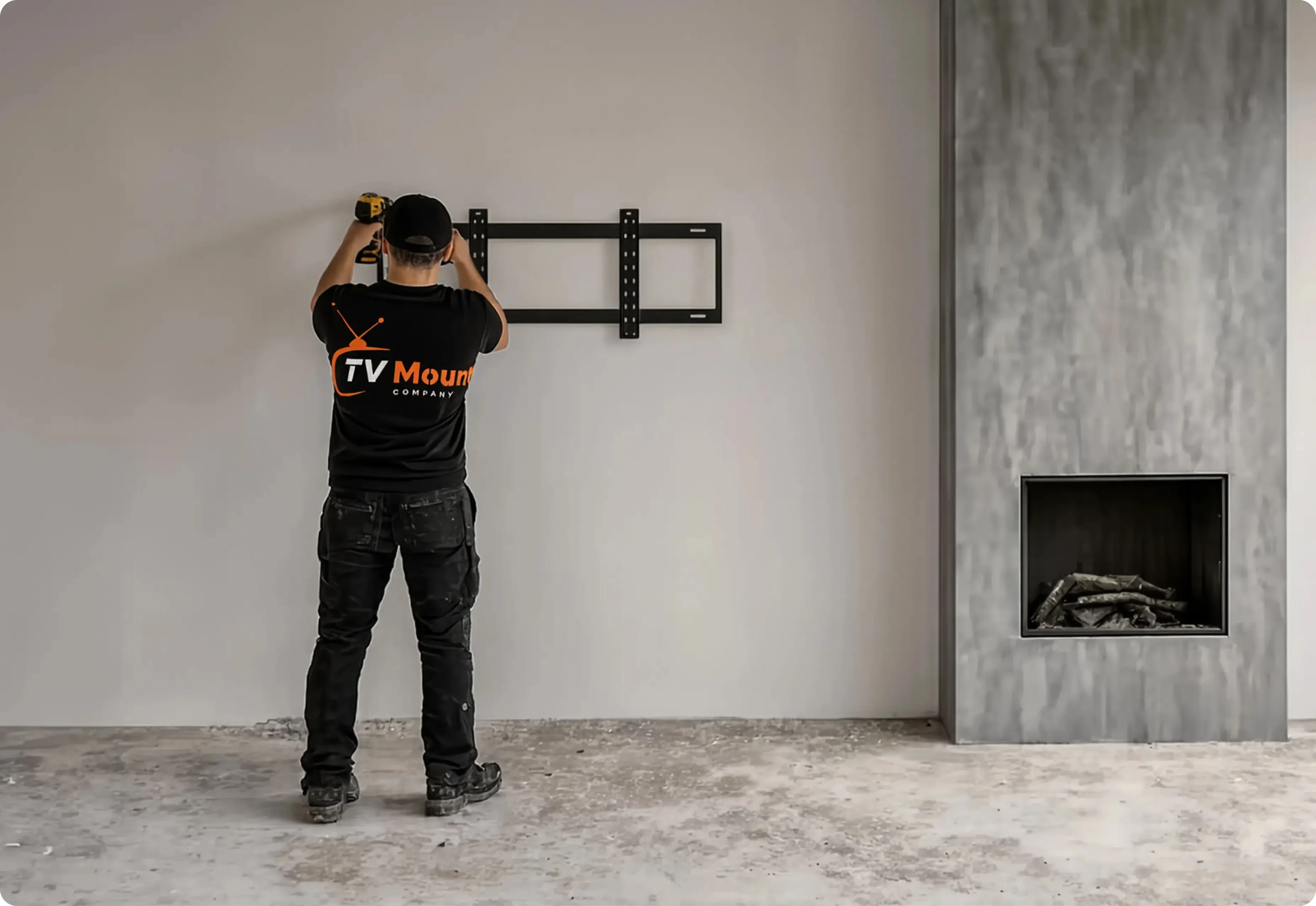
Synchronizing Your TV and Soundbar: Aesthetics and Acoustic Clarity
A great picture should be accompanied by great sound. A modern, high-quality soundbar — an optimal solution for those who wish to achieve a "home cinema effect" without cluttering the living room with monstrous speaker systems.
A great picture should be accompanied by great sound. A modern, high-quality soundbar — an optimal solution for those who wish to achieve a "home cinema effect" without cluttering the living room with monstrous speaker systems.
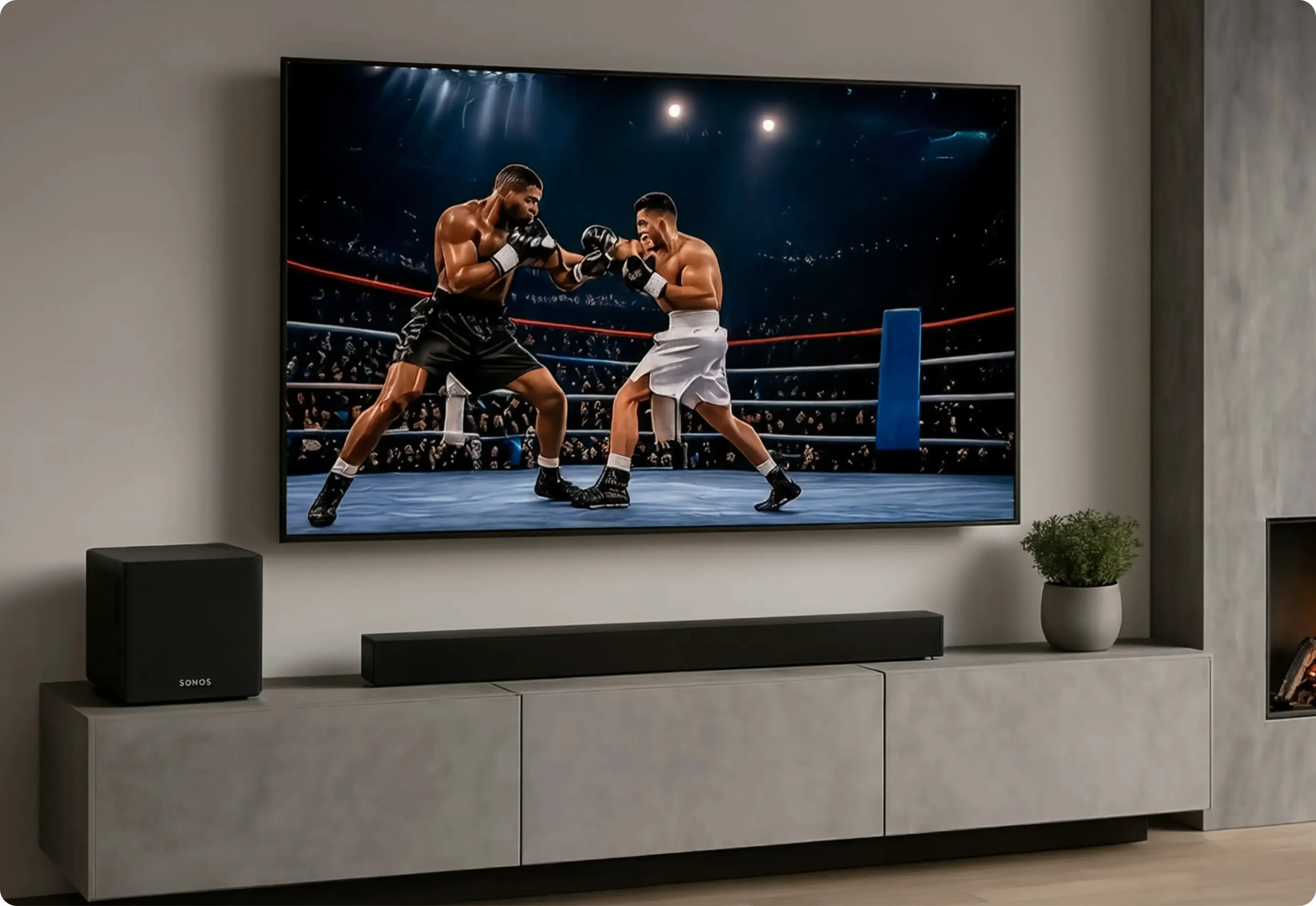
Optimization of the Visual-Auditory Space
The first issue owners face — is visual noise. A carelessly installed soundbar can ruin even the most carefully curated interior. The ideal solution — mounting the soundbar directly beneath the TV. This creates a monolithic, "floating" construction that looks incredibly stylish. However, it is important to consider the spacing: the soundbar should be positioned as close as possible to the bottom edge of the screen so that the soundstage is tethered to the image. If the soundbar hangs too low or, conversely, is pressed too tightly, it can cause unwanted vibrations that transfer to the bracket.
We often use specialized mounts that fix directly to the TV bracket. This solution allows the soundbar to "follow" the TV as its position changes. If the TV is swiveled, the sound is always directed at the viewer — this ensures perfect synchronization between the acoustic and visual vectors. Such an arrangement requires precision in load balancing, especially when working with full-motion mounts.
Why Standard Solutions Are Sometimes Insufficient
Beyond aesthetics, there is the question of software and hardware "compatibility" between devices. The most common problem we encounter — is audio lag, where the sound does not match the movement of the actors' lips on screen. This occurs due to protocol mismatches or incorrect signal processing by the TV's processor.
Our professional setup protocol includes the following steps:
- Interface Selection: Using an HDMI eARC (Enhanced Audio Return Channel) port is a mandatory requirement. Unlike standard ARC, eARC provides the high bandwidth necessary for transmitting uncompressed multi-channel formats — such as Dolby Atmos or DTS:X.
- Passthrough Setup: We recommend setting the TV to "passthrough" mode. This allows the TV to stop wasting resources on trying to "process" audio that is already optimized by the soundbar, and instead pass the audio stream directly in its original quality.
- Eliminating Control Conflicts: Often, CEC (Consumer Electronics Control) protocols from different brands conflict with each other. We perform a "handshake" configuration of the devices so that the TV remote correctly controls the volume and power of the soundbar, sparing you from the need to keep a pile of remotes on the coffee table.
- Cable Logistics: Using cables with high-level shielding is critical. In a modern home filled with networking equipment, poor cables can pick up interference — leading to brief audio dropouts. We route cables with careful attention to bends to avoid creating stress zones at the connectors.
Professional Insights: Acoustic Comfort
Sound waves are extremely sensitive to their environment. Often, a soundbar installed on a deep shelf or inside a narrow niche loses sound clarity due to "parasitic" reflections from furniture surfaces. The sound begins to "wander" inside the niche — creating a boominess that makes dialogue unintelligible.
Professional installation involves extending the device beyond the limitations of the furniture — the soundbar should protrude slightly past the edge of the shelf. This allows sound waves to fill the space without obstruction, preserving the clarity of voices and the depth of special effects.
Another point often forgotten — is the interaction with the surface. If the soundbar is placed on a surface rather than suspended, it is highly recommended to use anti-vibration stands or special dampening pads. This prevents the transfer of vibrations to the furniture, which can cause rattling during low-frequency playback.
Ultimately, high-quality synchronization — is a balance between technology and design. When you do not notice the equipment, but only enjoy flawless sound, — that means the project has been successfully realized.