Why Do TVs Often Break Right After the Warranty Expires?
Many owners of even the most advanced modern electronics have noticed a curious paradox: a device works flawlessly for years, but as soon as the warranty expires, it starts acting up and eventually fails. It can almost seem as if there's an invisible self-destruct timer built into the electronics. In reality, however, this apparent phenomenon is driven by perfectly explainable physical processes rather than hidden programming. Let's take a closer look at what really happens behind the scenes.
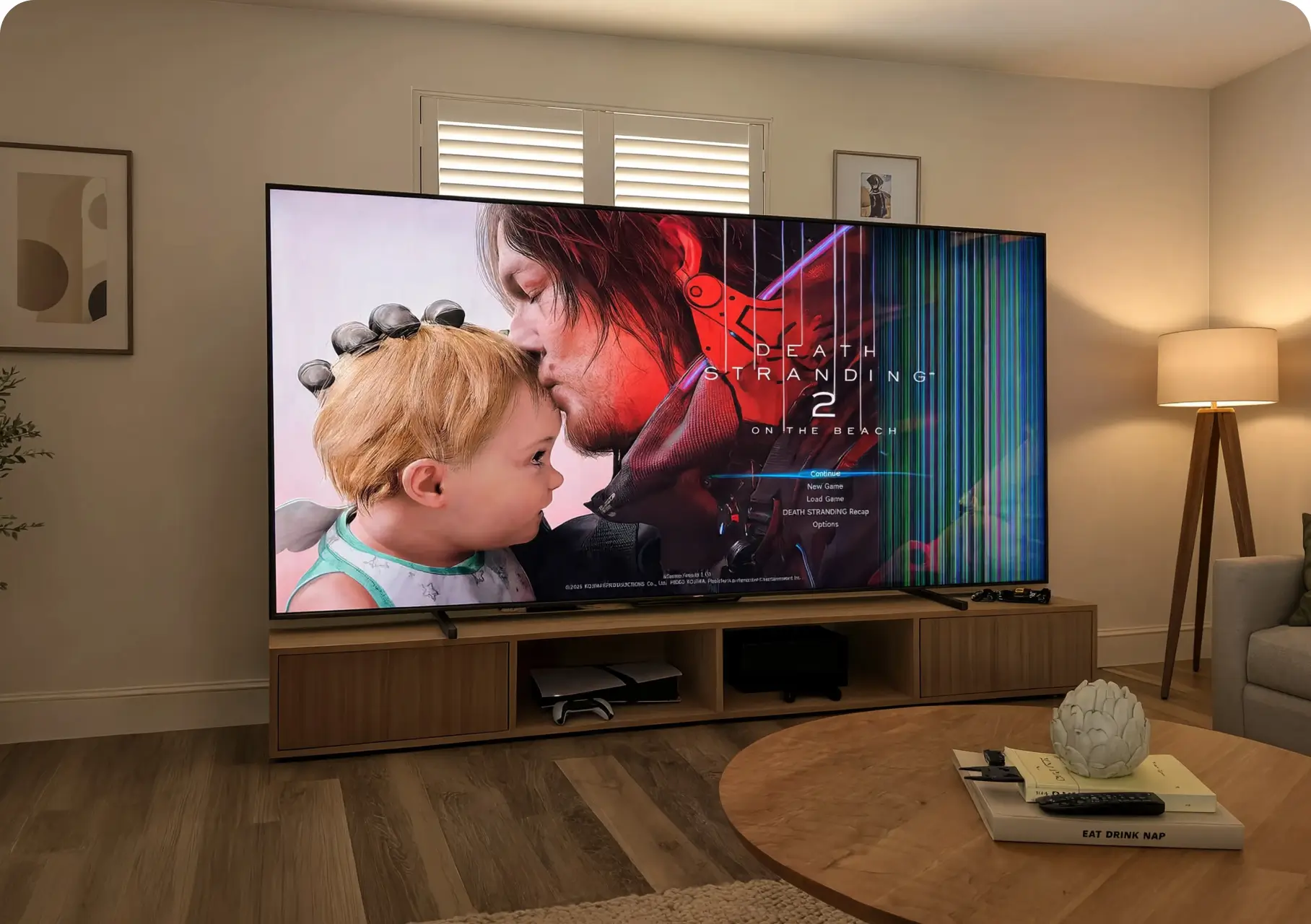
Thermal Cycling and Component Wear
One of the biggest contributors to TV failure is thermal cycling — the constant fluctuation between heating up and cooling down. Modern televisions are essentially powerful multimedia computers packed into ultra-thin enclosures.
Every time you turn the TV on, its internal chips heat up. When you turn it off, they cool down.
This continuous cycle of thermal expansion and contraction gradually stresses the circuit board and its solder joints. Over time, microscopic cracks can develop, leading to intermittent power issues, signal loss, or complete hardware failure.
Heat also accelerates the aging of electrolytic capacitors, some of the most failure-prone components inside a television. As they are repeatedly exposed to elevated temperatures, their performance gradually degrades until they eventually reach the end of their service life — often around the time the warranty expires.
Heat Dissipation Challenges in Ultra-Thin TV Designs
Consumers love sleek, ultra-thin TVs, but there's a trade-off: slim enclosures leave very little room for effective cooling systems. Modern TVs are designed to be mounted close to the wall, provided the manufacturer’s recommended clearance is maintained. Problems typically arise when a TV is installed inside a deep recessed niche, enclosed cabinetry, or any space that restricts airflow and prevents heat from dissipating properly.
Heat-related damage is usually cumulative rather than immediate. Instead, it slowly and continuously shortens the lifespan of critical components, including the processor, LED backlight, power supply, and other internal electronics. Over the years, this constant thermal stress gradually reduces the TV's overall reliability, making failures much more likely as the device ages.
Mechanical Stress and Hidden Installation Mistakes
It's important to understand that the longevity of a TV's circuit boards and display panel depends heavily on the quality of the installation.
How so? Poorly made, low-quality wall mounts or improper DIY installation can place constant mechanical stress on the TV's frame. Over time, the weight of the television may cause the chassis to flex ever so slightly, creating internal stress on delicate components such as the display panel, circuit boards, and ribbon cable connections.
As this stress accumulates, various problems can begin to appear. You may notice vertical or horizontal lines on the screen, intermittent image loss, or the display may start going black altogether. In many cases, these issues develop gradually rather than appearing immediately after installation, making the original mounting problem easy to overlook.
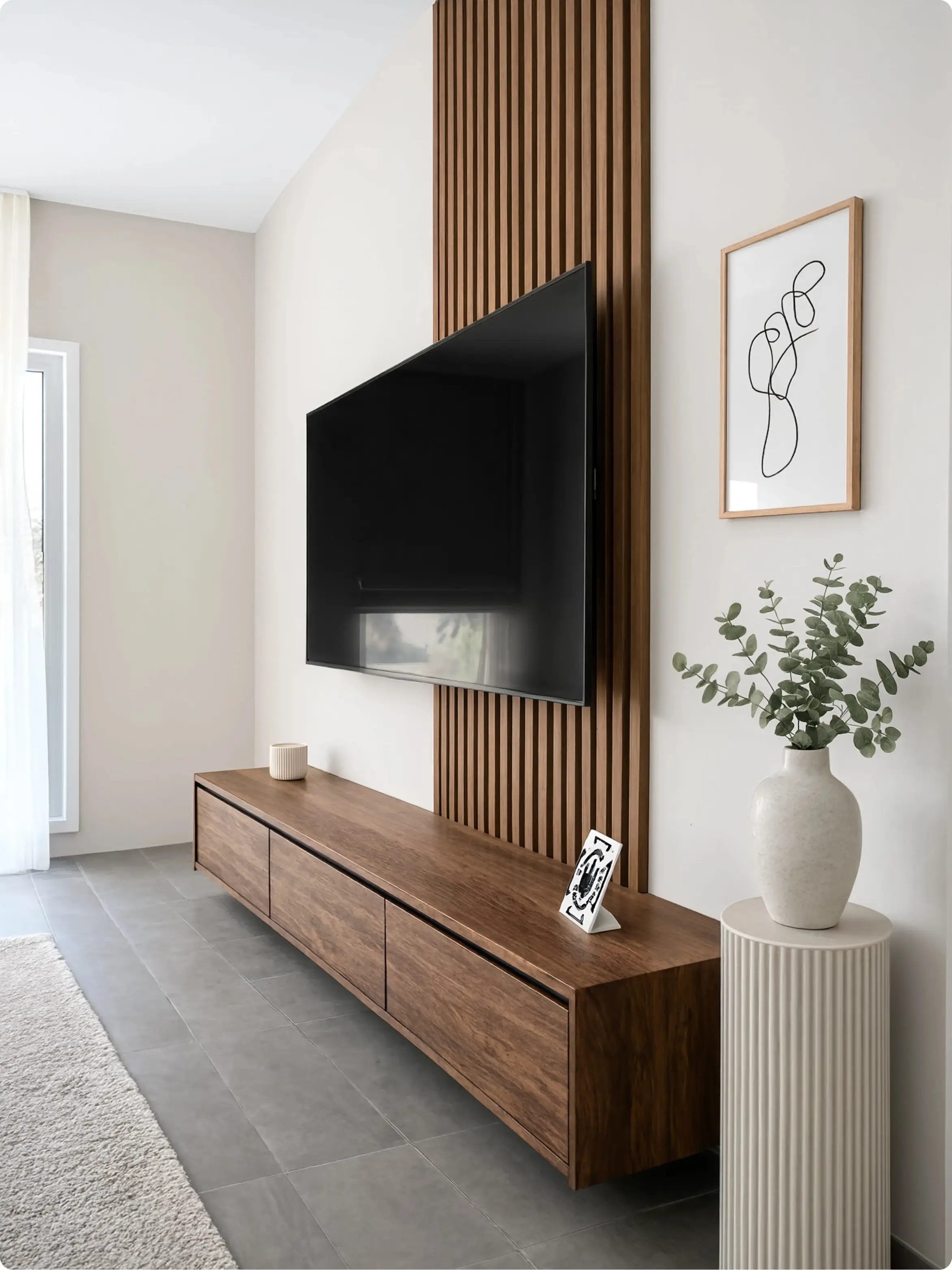
Key Risk Factors at a Glance
While manufacturers design their products with an expected service life in mind, there are several steps you can take to significantly extend your TV's lifespan and keep it running reliably for many years.
To maximize its longevity, follow these basic recommendations:
| Risk Factor | Cause | Impact on the TV |
|---|---|---|
| Thermal Cycling | Repeated heating and cooling of electronic components during normal operation | Formation of microscopic cracks in solder joints, accelerated capacitor wear |
| Poor Ventilation | Mounted according to the manufacturer's installation guidelines | Chronic overheating of the processor, LED backlight, and other internal components |
| Mechanical Stress | Low-quality wall mounts or improper installation causing uneven load distribution | Damage to display panel ribbon cables, screen lines, and image defects |
- Ensure proper ventilation by maintaining the minimum clearancesrecommended by the TV manufacturer. This is especially important for installations inside recessed niches or custom built-in cabinetry.
- Choose a professional installation. Use a high-quality, heavy-duty wall mount installed correctly to prevent uneven stress, sagging, and unnecessary strain on the TV's frame.
- Protect your TV from power surges by plugging it into a quality surge protector. This simple step can help reduce the risk of damage caused by unexpected voltage spikes.
Providing the right installation environment and investing in professional mounting remain the most effective ways to protect your home entertainment system. With proper care, your TV can continue to perform reliably long after its warranty has expired.