Why TVs Fall Off the Wall (And How to Prevent It)
Mounting a TV on the wall looks simple. A bracket, a few screws — done. But in reality, this is one of the most common problems we deal with. TVs don’t usually fall right away. Everything looks fine at first, and then one day the mount gives up — and the TV is on the floor.
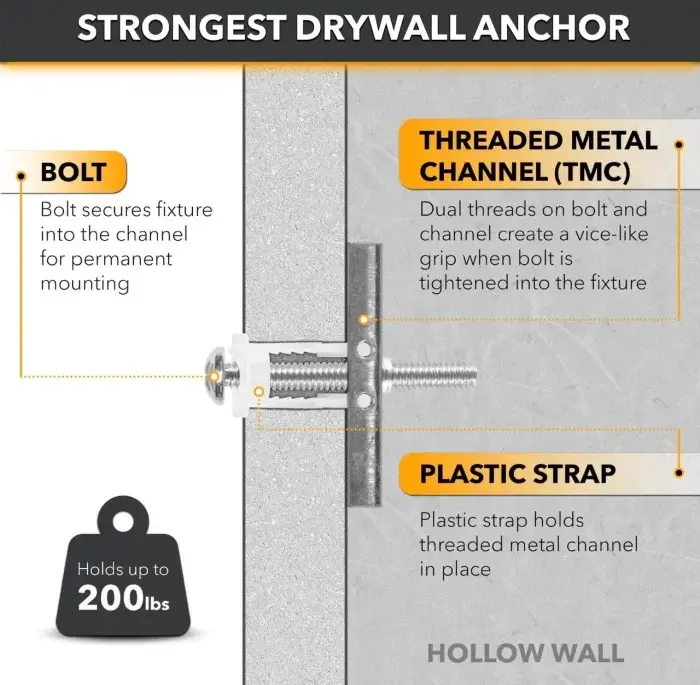
Most of the time it comes down to the same basic issue: the wall wasn’t prepared properly. Drywall alone can’t hold that kind of weight, especially with today’s larger TVs. If the mount isn’t secured into studs, it’s only a matter of time before it starts pulling out. We see it all the time — people use basic anchors or cheap hardware, and it holds for a bit… until it doesn’t.
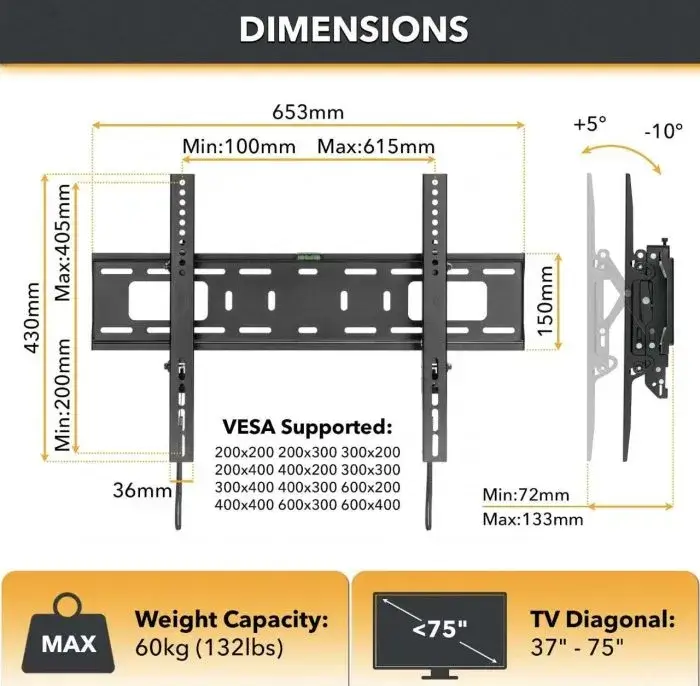
Another big problem is using the wrong mount or the wrong hardware. Not every bracket is built for every TV, even if it “kind of fits.” Larger TVs put more stress on the wall, especially if it’s a full-motion mount that extends out. Add a little movement over time, and weak points start to show. Same thing with anchors — not all of them are meant to handle real load. Some are fine for shelves, not for a 75-inch TV.
Brick and stone walls feel more solid, but they come with their own mistakes. Drilling into mortar instead of brick, not going deep enough, or using the wrong type of anchors — all of that can fail just as easily. Fireplace installs are another story altogether. A lot of those walls don’t have studs where you expect them, and behind the drywall there can be empty space or chimney structure. That’s where people get into trouble trying to “make it work.”
Sometimes the signs show up before anything serious happens. The TV starts leaning forward a bit, the bracket pulls slightly away from the wall, or it just doesn’t feel solid when you touch it. That’s not normal. A properly mounted TV should feel completely secure.
The safest way to avoid all of this is pretty straightforward — hit the studs whenever possible, use the right hardware, and make sure the mount actually matches the TV. Sounds simple, but small mistakes here are what usually lead to bigger problems later.
A lot of people try to do it themselves to save money, and sometimes it works. But when it doesn’t, it usually costs more in the end — broken TV, damaged wall, and now you still need it installed properly.
At the end of the day, a mounted TV shouldn’t feel like a risk. If it’s done right, you won’t think about it at all. If something feels off, it probably is.